

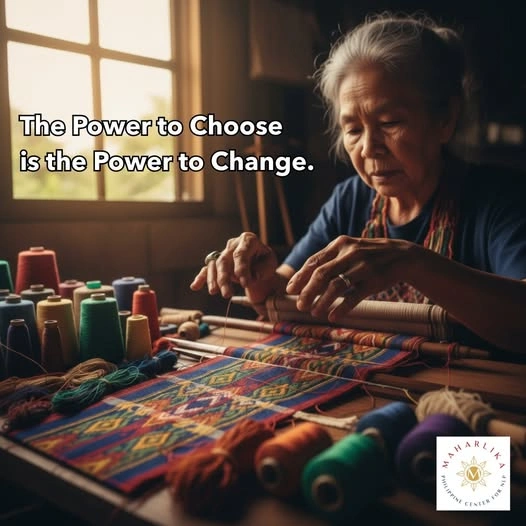
The Power to Choose is the Power to Change
- October 1, 2025
In the dynamics of any system—be it a team, a relationship, or your own mind—control is not about force, but about flexibility.
-Control is Flexibility-In the dynamics of any system—be it a team, a relationship, or your own mind—control is not about force, but about flexibility. This is the core of the Neuro-Linguistic Programming (NLP) presupposition known as the Law of Requisite Variety. It states that the person with the most behavioral flexibility will inevitably be the controlling element of that system.Here, “control” is not domination. It is the empowering ability to steer your experience and influence outcomes. If you only have one way to respond to a challenge—say, frustration—you become a prisoner to that single reaction. Your behavior becomes automatic and compulsive.Conversely, possessing a wide range of responses grants you freedom. You can chooseto be curious, to pause, to ask a question, or to change your approach entirely. This versatility makes you the most adaptable and influential person in any interaction.The practical application is profound. First, if what you are doing isn’t working, try anything else. The mere act of introducing a new variable disrupts a stuck pattern and opens new possibilities. Second, consciously develop your flexibility.Learn new ways to communicate, manage stress, and solve problems. The more choices you have in how to think, feel, and act, the greater your ability to navigate life effectively and determine the quality of your experience. Choice, ultimately, is the foundation of true control.
-Control is Flexibility-
In the dynamics of any system—be it a team, a relationship, or your own mind—control is not about force, but about flexibility. This is the core of the Neuro-Linguistic Programming (NLP) presupposition known as the Law of Requisite Variety. It states that the person with the most behavioral flexibility will inevitably be the controlling element of that system.
Here, “control” is not domination. It is the empowering ability to steer your experience and influence outcomes. If you only have one way to respond to a challenge—say, frustration—you become a prisoner to that single reaction. Your behavior becomes automatic and compulsive.
Conversely, possessing a wide range of responses grants you freedom. You can choose
to be curious, to pause, to ask a question, or to change your approach entirely. This versatility makes you the most adaptable and influential person in any interaction.
The practical application is profound. First, if what you are doing isn’t working, try anything else. The mere act of introducing a new variable disrupts a stuck pattern and opens new possibilities. Second, consciously develop your flexibility.
Learn new ways to communicate, manage stress, and solve problems. The more choices you have in how to think, feel, and act, the greater your ability to navigate life effectively and determine the quality of your experience. Choice, ultimately, is the foundation of true control.
Recent Blogs You Might Like

It happens to everyone. Someone's words or actions land in a way that makes you feel small. Overlooked. Dismissed. Disrespected....

-From "Why" to "How": The NLP Shift That Drives Real Change- Neuro-Linguistic Programming (NLP) emphasizes that asking "How?" is far...

The belief that genius is innate is perhaps the greatest limitation to human potential. Neuro-Linguistic Programming (NLP) shatters this myth...
The Power to Choose is the Power to Change
-Control is Flexibility-In the dynamics of any system—be it a team, a relationship, or your own mind—control is not about force, but about flexibility. This is the core of the Neuro-Linguistic Programming (NLP) presupposition known as the Law of Requisite Variety. It states that the person with the most behavioral flexibility will inevitably be the controlling element of that system.Here, “control” is not domination. It is the empowering ability to steer your experience and influence outcomes. If you only have one way to respond to a challenge—say, frustration—you become a prisoner to that single reaction. Your behavior becomes automatic and compulsive.Conversely, possessing a wide range of responses grants you freedom. You can chooseto be curious, to pause, to ask a question, or to change your approach entirely. This versatility makes you the most adaptable and influential person in any interaction.The practical application is profound. First, if what you are doing isn’t working, try anything else. The mere act of introducing a new variable disrupts a stuck pattern and opens new possibilities. Second, consciously develop your flexibility.Learn new ways to communicate, manage stress, and solve problems. The more choices you have in how to think, feel, and act, the greater your ability to navigate life effectively and determine the quality of your experience. Choice, ultimately, is the foundation of true control.
-Control is Flexibility-
In the dynamics of any system—be it a team, a relationship, or your own mind—control is not about force, but about flexibility. This is the core of the Neuro-Linguistic Programming (NLP) presupposition known as the Law of Requisite Variety. It states that the person with the most behavioral flexibility will inevitably be the controlling element of that system.
Here, “control” is not domination. It is the empowering ability to steer your experience and influence outcomes. If you only have one way to respond to a challenge—say, frustration—you become a prisoner to that single reaction. Your behavior becomes automatic and compulsive.
Conversely, possessing a wide range of responses grants you freedom. You can choose
to be curious, to pause, to ask a question, or to change your approach entirely. This versatility makes you the most adaptable and influential person in any interaction.
The practical application is profound. First, if what you are doing isn’t working, try anything else. The mere act of introducing a new variable disrupts a stuck pattern and opens new possibilities. Second, consciously develop your flexibility.
Learn new ways to communicate, manage stress, and solve problems. The more choices you have in how to think, feel, and act, the greater your ability to navigate life effectively and determine the quality of your experience. Choice, ultimately, is the foundation of true control.
LATEST BLOGS
-From "Why" to "How": The NLP Shift That Drives Real Change- Neuro-Linguistic Programming (NLP) emphasizes that asking "How?"

We all know Atticus Finch as the pillar of morality in Harper Lee's To Kill a Mockingbird. We
For a partnership to succeed, the partners need to carefully reevaluate the values and the patterns that they've