The Leader People Need Isn't Always the Superstar
- September 12, 2025
Simon Sinek suggests a simple but profound way to spot a true leader. He said to forget the usual metrics for a minute. Instead, “measure trust creation.”
Simon Sinek suggests a simple but profound way to spot a true leader.He said to forget the usual metrics for a minute. Instead, “measure trust creation.”He asked:“Who raises the bar without raising fear?Who mentors unasked?Who admits mistakes quickly and fixes systems, not people?”His conclusion: “Medium performer, high trust often scales better than superstar, low trust.”It’s one of those statements that feels true in your bones the moment you read it.It also explains why so many of us have felt drained by aggressive, pushy, or over-controlling management. That style might look productive on a surface level, but it seldom works for long. It might get short-term results, but it often costs long-term health—of the team, the ideas, and the people.It comes down to a simple, human need: for people to thrive, they need to feel safe.It’s not about being soft. A safe environment is actually the foundation for real accountability. It’s what allows for honest mistakes, tough conversations, and genuine growth without it feeling personal.And yet, how many of us have worked for a leader who was intentionally trained to create that? How many company programs truly focus on building genuine trust, rather than just managing outcomes? It’s a skill that’s often overlooked, and it’s hard to do well without feeling forced.The beautiful thing is that leaders who get this right—who focus on trust—almost always succeed. Their progress might not always be the flashiest at first. In a world obsessed with quick wins, their steady, people-first approach might even be misunderstood.But their success is different. It’s deeper. It’s more resilient. It’s sustainable.Because when you focus on trust, you aren’t just managing people. You are, to borrow a metaphor, watering the soil. You’re creating the conditions for people to grow into their fullest potential, to do work they’re genuinely proud of.It’s a shift from being a boss to being a gardener.And every garden needs good soil.
Simon Sinek suggests a simple but profound way to spot a true leader.
He said to forget the usual metrics for a minute. Instead, “measure trust creation.”
He asked:
“Who raises the bar without raising fear?
Who mentors unasked?
Who admits mistakes quickly and fixes systems, not people?”
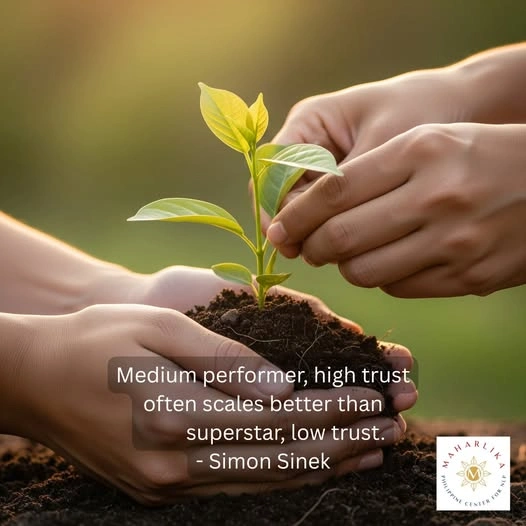
His conclusion: “Medium performer, high trust often scales better than superstar, low trust.”
It’s one of those statements that feels true in your bones the moment you read it.
It also explains why so many of us have felt drained by aggressive, pushy, or over-controlling management. That style might look productive on a surface level, but it seldom works for long. It might get short-term results, but it often costs long-term health—of the team, the ideas, and the people.
It comes down to a simple, human need: for people to thrive, they need to feel safe.
It’s not about being soft. A safe environment is actually the foundation for real accountability. It’s what allows for honest mistakes, tough conversations, and genuine growth without it feeling personal.
And yet, how many of us have worked for a leader who was intentionally trained to create that? How many company programs truly focus on building genuine trust, rather than just managing outcomes? It’s a skill that’s often overlooked, and it’s hard to do well without feeling forced.
The beautiful thing is that leaders who get this right—who focus on trust—almost always succeed. Their progress might not always be the flashiest at first. In a world obsessed with quick wins, their steady, people-first approach might even be misunderstood.
But their success is different. It’s deeper. It’s more resilient. It’s sustainable.
Because when you focus on trust, you aren’t just managing people. You are, to borrow a metaphor, watering the soil. You’re creating the conditions for people to grow into their fullest potential, to do work they’re genuinely proud of.
It’s a shift from being a boss to being a gardener.
And every garden needs good soil.
#CompanyCulture #PeopleFirst #Workplace #Growth
Recent Blogs You Might Like

It happens to everyone. Someone's words or actions land in a way that makes you feel small. Overlooked. Dismissed. Disrespected....
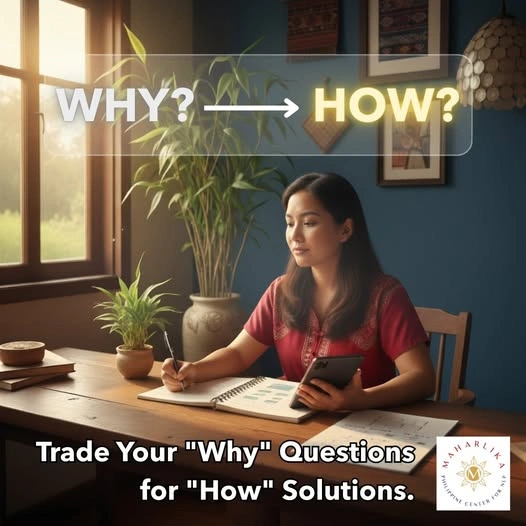
-From "Why" to "How": The NLP Shift That Drives Real Change- Neuro-Linguistic Programming (NLP) emphasizes that asking "How?" is far...

The belief that genius is innate is perhaps the greatest limitation to human potential. Neuro-Linguistic Programming (NLP) shatters this myth...
#CompanyCulture #PeopleFirst #Workplace #Growth
The Leader People Need Isn’t Always the Superstar
Simon Sinek suggests a simple but profound way to spot a true leader.He said to forget the usual metrics for a minute. Instead, “measure trust creation.”He asked:“Who raises the bar without raising fear?Who mentors unasked?Who admits mistakes quickly and fixes systems, not people?”His conclusion: “Medium performer, high trust often scales better than superstar, low trust.”It’s one of those statements that feels true in your bones the moment you read it.It also explains why so many of us have felt drained by aggressive, pushy, or over-controlling management. That style might look productive on a surface level, but it seldom works for long. It might get short-term results, but it often costs long-term health—of the team, the ideas, and the people.It comes down to a simple, human need: for people to thrive, they need to feel safe.It’s not about being soft. A safe environment is actually the foundation for real accountability. It’s what allows for honest mistakes, tough conversations, and genuine growth without it feeling personal.And yet, how many of us have worked for a leader who was intentionally trained to create that? How many company programs truly focus on building genuine trust, rather than just managing outcomes? It’s a skill that’s often overlooked, and it’s hard to do well without feeling forced.The beautiful thing is that leaders who get this right—who focus on trust—almost always succeed. Their progress might not always be the flashiest at first. In a world obsessed with quick wins, their steady, people-first approach might even be misunderstood.But their success is different. It’s deeper. It’s more resilient. It’s sustainable.Because when you focus on trust, you aren’t just managing people. You are, to borrow a metaphor, watering the soil. You’re creating the conditions for people to grow into their fullest potential, to do work they’re genuinely proud of.It’s a shift from being a boss to being a gardener.And every garden needs good soil.
Simon Sinek suggests a simple but profound way to spot a true leader.
He said to forget the usual metrics for a minute. Instead, “measure trust creation.”
He asked:
“Who raises the bar without raising fear?
Who mentors unasked?
Who admits mistakes quickly and fixes systems, not people?”
His conclusion: “Medium performer, high trust often scales better than superstar, low trust.”
It’s one of those statements that feels true in your bones the moment you read it.
It also explains why so many of us have felt drained by aggressive, pushy, or over-controlling management. That style might look productive on a surface level, but it seldom works for long. It might get short-term results, but it often costs long-term health—of the team, the ideas, and the people.
It comes down to a simple, human need: for people to thrive, they need to feel safe.
It’s not about being soft. A safe environment is actually the foundation for real accountability. It’s what allows for honest mistakes, tough conversations, and genuine growth without it feeling personal.
And yet, how many of us have worked for a leader who was intentionally trained to create that? How many company programs truly focus on building genuine trust, rather than just managing outcomes? It’s a skill that’s often overlooked, and it’s hard to do well without feeling forced.
The beautiful thing is that leaders who get this right—who focus on trust—almost always succeed. Their progress might not always be the flashiest at first. In a world obsessed with quick wins, their steady, people-first approach might even be misunderstood.
But their success is different. It’s deeper. It’s more resilient. It’s sustainable.
Because when you focus on trust, you aren’t just managing people. You are, to borrow a metaphor, watering the soil. You’re creating the conditions for people to grow into their fullest potential, to do work they’re genuinely proud of.
It’s a shift from being a boss to being a gardener.
And every garden needs good soil.
LATEST BLOGS
-From "Why" to "How": The NLP Shift That Drives Real Change- Neuro-Linguistic Programming (NLP) emphasizes that asking "How?"

We all know Atticus Finch as the pillar of morality in Harper Lee's To Kill a Mockingbird. We
For a partnership to succeed, the partners need to carefully reevaluate the values and the patterns that they've