
Reacting vs. Responding
 Reacting is instant, emotional, and often escalates the situation. Responding is mindful, compassionate, and seeks to understand before acting.
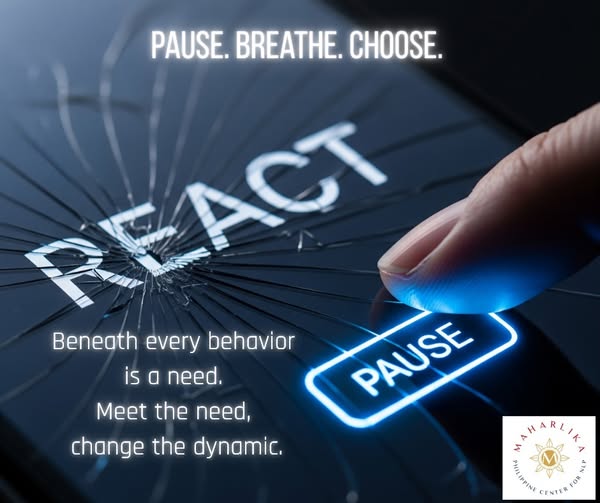
The difference? Pausing. That tiny space between stimulus and action where we ask: “What’s really happening here?” “What do they (or I) need in this moment?”
Why Responding Matters
When we react, we focus on the behavior—the yelling, the defiance, the tears. But when we respond, we look deeper:
Beneath the behavior is a feeling. (Fear? Frustration? Overwhelm?)
Beneath the feeling is a need. (Safety? Connection? Autonomy?)
Meeting the need—not just managing the behavior—is what fosters real change and stronger relationships.
How to Make the Shift
Pause. Breathe. (Even 5 seconds can change the outcome.)
Ask yourself: “What’s the emotion behind this?”
Meet the need. Example:
A child screaming “I hate you!” might need reassurance.
A withdrawn teen might need space and an open-door invitation to talk later.
Model emotional intelligence. They’ll learn to do the same.
The Ripple Effect
When we choose to respond, not react:
 Conflicts de-escalate. Trust grows. We teach others how to handle big emotions—by showing them.