The Unspoken Rules: Recognizing the Patterns of a Toxic Family System
We often think of family as our safe harbor, the place where we are nurtured and loved unconditionally. But for many, family dynamics are far from healthy.


We often think of family as our safe harbor, the place where we are nurtured and loved unconditionally. But for many, family dynamics are far from healthy.
A child who isn’t met with emotional safety makes a heartbreaking calculation: “It must be me.” They don’t stop loving their caregiver; they stop loving themselves.
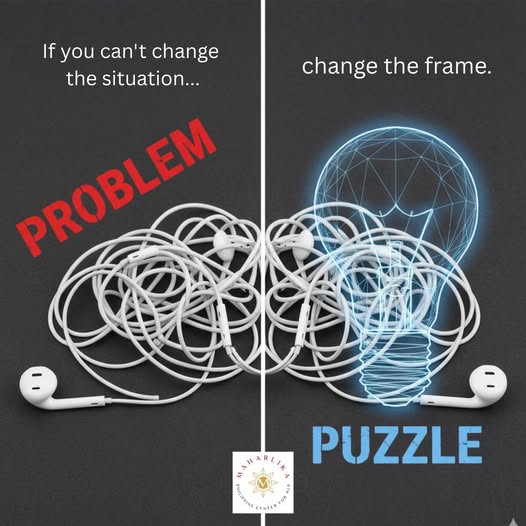
Ever had a team member say, “This change is going to be a disaster,” or a manager complain, “My team is just resistant”?
Ever feel like the more you try to be happy, the more it slips through your fingers? You’re not alone, and there’s a fascinating reason for it.

We’ve all been there. You meet someone new and wonder, “What’s this person really like?” Beyond the small talk and social media profiles, how can you tell if someone is genuinely good people?
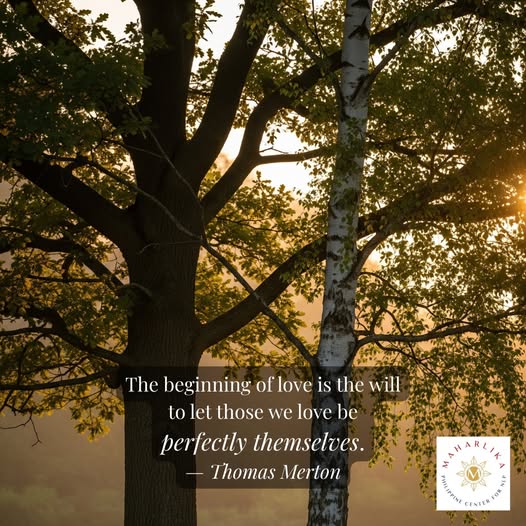
How often do we say we love someone, yet secretly wish they were just a little bit more… like us? We want them to share our hobbies, our opinions, our life goals. We see their potential and, with the best intentions, try to “help” them reach it—often a version we’ve designed for them.
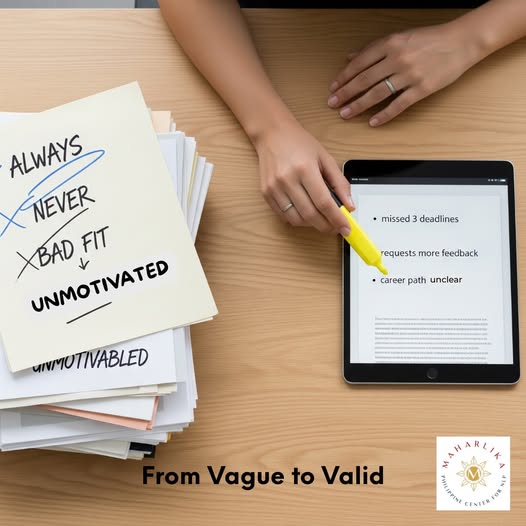
As an HR Director, you’ve been there: an employee says, “This place is always chaotic,” or a manager reports, “My team is unmotivated.” You’re left with a problem everyone feels but no one can define. How do you get to the factual core of the issue?
Feeling frustrated after a difficult conversation? Can’t see eye-to-eye with a colleague, partner, or friend? You’re not alone.

Have you ever tried to say “I’m fine” when you weren’t, but the person you were talking to just knew? There’s a reason for that.
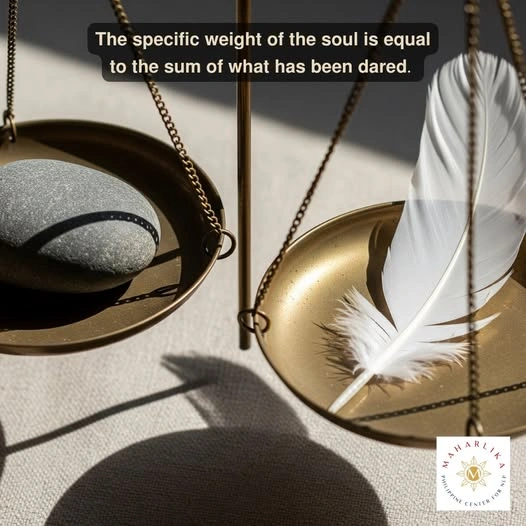
We often think of the soul as something light, ethereal, and intangible. But what if its true substance, its very weight, is earned not through quiet contemplation, but through bold action?