

 “𝘖𝘬𝘢𝘺 𝘭𝘢𝘯𝘨.”
 “𝘞𝘢𝘭𝘢, 𝘣𝘢𝘩𝘢𝘭𝘢 𝘯𝘢.”
 “𝘉𝘢𝘴𝘵𝘢, 𝘵𝘪𝘪𝘴 𝘯𝘢 𝘭𝘢𝘯𝘨.”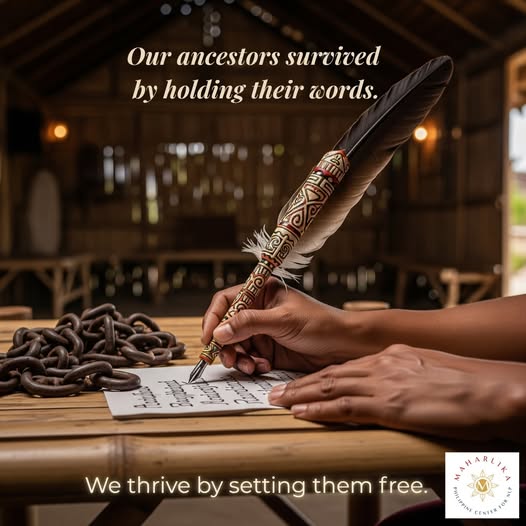
How many times have we said these words—not because we meant them, but because it felt easier than speaking our truth? As Filipinos, we often choose silence over honesty, not out of weakness, but because 𝗼𝘂𝗿 𝗵𝗶𝘀𝘁𝗼𝗿𝘆 𝘁𝗮𝘂𝗴𝗵𝘁 𝘂𝘀 𝘁𝗵𝗮𝘁 𝗾𝘂𝗶𝗲𝘁 𝘄𝗮𝘀 𝘀𝗮𝗳𝗲𝗿.
For generations, our ancestors survived by keeping their heads down under colonial rule. Their silence was an act of love—protecting their families, avoiding conflict, and enduring hardship with a smile. That strength lives in us, but so does the cost: 𝘄𝗲 𝘀𝗼𝗺𝗲𝘁𝗶𝗺𝗲𝘀 𝗵𝗶𝗱𝗲 𝗼𝘂𝗿 𝘁𝗿𝘂𝗲 𝗳𝗲𝗲𝗹𝗶𝗻𝗴𝘀, 𝗲𝘃𝗲𝗻 𝗳𝗿𝗼𝗺 𝘁𝗵𝗼𝘀𝗲 𝘄𝗲 𝘁𝗿𝘂𝘀𝘁 𝗺𝗼𝘀𝘁.
𝗪𝗵𝗲𝗿𝗲 𝗗𝗼 𝗪𝗲 𝗦𝗲𝗲 𝗧𝗵𝗶𝘀 𝗧𝗼𝗱𝗮𝘆?
 𝗔𝘁 𝗛𝗼𝗺𝗲:
• Smiling through hurt because “𝘈𝘺𝘰𝘬𝘰 𝘯𝘨 𝘨𝘶𝘭𝘰”—even when our hearts are heavy.
• Saying “𝘉𝘶𝘴𝘰𝘨 𝘯𝘢𝘮𝘢𝘯 𝘢𝘬𝘰” to let others eat first, instead of admitting we’re hungry too.
 𝗔𝘁 𝗪𝗼𝗿𝗸:
• Staying silent in meetings even when we have ideas, fearing we might “rock the boat.”
• Avoiding honest feedback with bosses or colleagues, leading to unresolved tensions and bottled emotions.
But here’s the beautiful truth: 𝗢𝘂𝗿 𝗮𝗻𝗰𝗲𝘀𝘁𝗼𝗿𝘀’ 𝘀𝗶𝗹𝗲𝗻𝗰𝗲 𝘄𝗮𝘀 𝘀𝘂𝗿𝘃𝗶𝘃𝗮𝗹. 𝗢𝘂𝗿 𝘃𝗼𝗶𝗰𝗲𝘀 𝗰𝗮𝗻 𝗯𝗲 𝗹𝗶𝗯𝗲𝗿𝗮𝘁𝗶𝗼𝗻.
𝗛𝗼𝘄 𝗗𝗼 𝗪𝗲 𝗛𝗼𝗻𝗼𝗿 𝗧𝗵𝗲𝗶𝗿 𝗦𝗮𝗰𝗿𝗶𝗳𝗶𝗰𝗲 𝗪𝗵𝗶𝗹𝗲 𝗚𝗿𝗼𝘄𝗶𝗻𝗴 𝗕𝗲𝘆𝗼𝗻𝗱 𝗜𝘁?
 𝗦𝗽𝗲𝗮𝗸 𝗴𝗲𝗻𝘁𝗹𝘆 𝗯𝘂𝘁 𝘀𝘂𝗿𝗲𝗹𝘆. You don’t have to shout—just let your heart be heard. “𝘗𝘸𝘦𝘥𝘦 𝘣𝘢 𝘵𝘢𝘺𝘰𝘯𝘨 𝘮𝘢𝘨-𝘶𝘴𝘢𝘱?” goes a long way. 𝗠𝗮𝗸𝗲 𝘀𝗽𝗮𝗰𝗲 𝗳𝗼𝗿 𝗵𝗼𝗻𝗲𝘀𝘁𝘆. Ask loved ones and colleagues, “𝘈𝘯𝘰’𝘯𝘨 𝘵𝘰𝘵𝘰𝘰𝘯𝘨 𝘯𝘢𝘳𝘢𝘳𝘢𝘮𝘥𝘢𝘮𝘢𝘯 𝘮𝘰?” and mean it. 𝗥𝗲𝗺𝗲𝗺𝗯𝗲𝗿: 𝗟𝗼𝘃𝗲 𝗶𝘀𝗻’𝘁 𝗷𝘂𝘀𝘁 𝘀𝗮𝗰𝗿𝗶𝗳𝗶𝗰𝗲—𝗶𝘁’𝘀 𝘁𝗿𝘂𝘀𝘁. Trust that your feelings matter. Trust that your voice can make things better.
Our past taught us to be silent. Our future begins when we choose to speak—𝗻𝗼𝘁 𝘄𝗶𝘁𝗵 𝗮𝗻𝗴𝗲𝗿, 𝗯𝘂𝘁 𝘄𝗶𝘁𝗵 𝘁𝗵𝗲 𝗰𝗼𝘂𝗿𝗮𝗴𝗲 𝘁𝗼 𝗯𝗲 𝘁𝗿𝘂𝗹𝘆 𝘀𝗲𝗲𝗻. 
Mahalaga ang boses mo. Hayaan mong marinig ito.
P.S. When was the last time you chose to speak up instead of staying quiet? Share your stories below—kasi ang kwento mo, inspirasyon namin.