

Ever Feel Stuck in an Argument? Try Simple Mind Hack
Feeling frustrated after a difficult conversation? Can’t see eye-to-eye with a colleague, partner, or friend?
You’re not alone. Our biggest communication breakdowns often happen because we’re only seeing the world from one perspective: our own.
But what if you could step out of your own head and see the situation from every angle? You can. It’s called Perceptual Positions, and it’s one of the most powerful tools from Neuro-Linguistic Programming (NLP) for improving communication and resolving conflict.
Let’s break it down. Think of it like a movie director checking a scene from three different camera angles:
1st Position: YOUR Perspective (The Close-Up)
This is where you usually live. You see the world through your own eyes, filtered by your own feelings, beliefs, and experiences. It’s vital to know your own truth, but getting stuck here is like only watching the movie from the hero’s point of view. You miss the bigger picture.
2nd Position: THEIR Perspective (The Other Close-UP)
This is the ultimate empathy exercise. You consciously step into the other person’s shoes and look through their eyes looking at you. See the situation through their eyes. What might they be feeling? What are their concerns? What is their “why”? This isn’t about agreeing with them; it’s about understanding them. This single step can dissolve decades of resentment.
3rd Position: The Observer’s Perspective (The Wide Shot)
Now, step back. Imagine you’re a wise, neutral fly on the wall—a consultant brought in to observe the situation. What do you notice about the dynamic between the two people? What advice would you give them? This detached view helps you cut through the emotion and see the system or pattern at play, often revealing simple solutions.
Why This Works:
Reduces Blame: It shifts the focus from “who is right” to “what is happening.”
Build Empathy: Walking in another’s shoes is the fastest way to build connection.
Generates Options: That wise observer often spots solutions that were invisible from inside the argument.
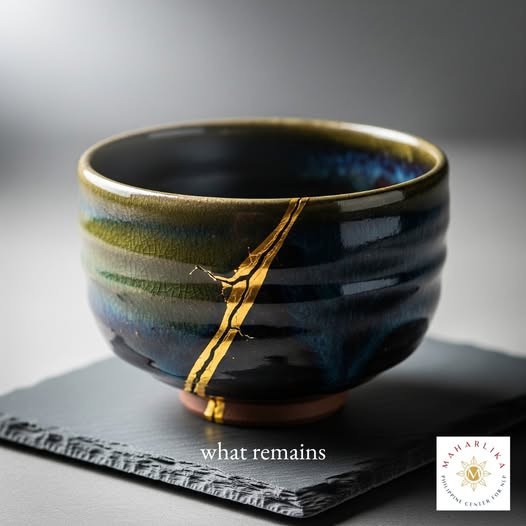
The True Payoff: Discovering “What Remains”
This process does more than just resolve the immediate argument. Its real power is in what it leaves you with.
After the Emotional Noise Fades: A conflict is often filled with heat, strong emotions, and reactive words. The 3rd Position asks you to strip all of that away. What are you left with? What are the core facts, the underlying needs, or the fundamental miscommunications? That is what remains when you view the situation objectively.
The Essence of Understanding The process is about moving beyond “who is right” to discover “what is true.” After considering all three perspectives, what is the essential truth that remains? It’s the valuable insight left over after you’ve drained away the anger and frustration.
A Shift in Perspective Itself is What Remains: Once you’ve successfully used this technique, you are changed. The argument may end, but the new understanding, the empathy, or the clarified insight is what remains with you. The technique leaves a lasting residue of greater awareness.
Try It This Week:
The next time you find yourself in a disagreement, big or small, take a mental timeout. Don’t just react.
Acknowledge your view (1st Position).
Truly imagine their reality (2nd Position). Ask yourself: “If I were them, what would I be thinking?”
Step back and view it like a neutral advisor (3rd Position). Ask: “What does this situation need to resolve?”
You might be amazed at what you discover.
Recent Blogs You Might Like

It happens to everyone. Someone's words or actions land in a way that makes you feel small. Overlooked. Dismissed. Disrespected....

-From "Why" to "How": The NLP Shift That Drives Real Change- Neuro-Linguistic Programming (NLP) emphasizes that asking "How?" is far...

The belief that genius is innate is perhaps the greatest limitation to human potential. Neuro-Linguistic Programming (NLP) shatters this myth...