
The Treasure Within Unlocking Your Innate Capacity for Change
- September 16, 2025
Imagine for a moment that you are a master architect, standing before a vast, infinite warehouse. This warehouse contains every tool, every material, every blueprint, and every piece of knowledge you could ever need to build the most magnificent structures imaginable
Imagine for a moment that you are a master architect, standing before a vast, infinite warehouse. This warehouse contains every tool, every material, every blueprint, and every piece of knowledge you could ever need to build the most magnificent structures imaginable—a life of confidence, resilience, love, creativity, and peace.This is the essence of the NLP presupposition: People already have all the resources they need.What Does “All Resources” Really Mean?
When NLP speaks of “resources,” it doesn’t mean money, a better job, or a different body (though those can be external goals). It refers to our internal states and capabilities.You have been courageous before. You have been focused before. You have been calm, resourceful, and creative in the past. These are not foreign concepts; they are states you have already experienced. The “resource” is the neurological pattern that created that state.The Real Problem: Blocked Access, Not a Lack of Resources
If we truly have all these resources, why do we ever feel stuck, anxious, or incapable? The presupposition provides a crucial reframe: The problem is rarely a lack of resources, but something that impedes access to them.We aren’t broken; we’re just temporarily blocked. The resources are still in the warehouse, but we’ve misplaced the key to the door, or a fallen beam is blocking the path.Living from a Place of Resourcefulness
Adopting this presupposition changes everything. It moves us from a mindset of scarcity—”I lack what I need to succeed”—to one of abundance—”I have everything I need; I just need to learn how to use it.”You are a rich library of experiences, a masterful collection of strengths, and a reservoir of untapped potential. The treasure is already within.
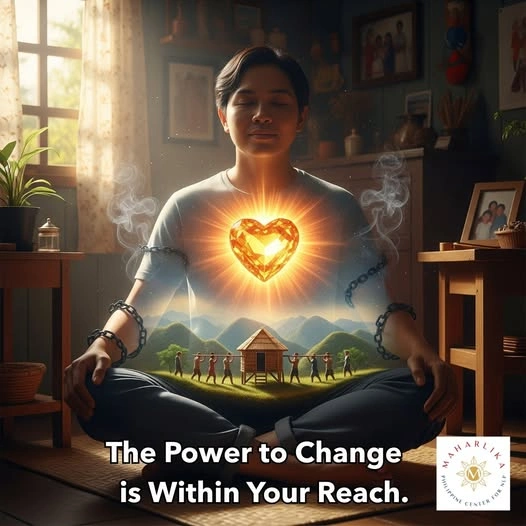
Imagine for a moment that you are a master architect, standing before a vast, infinite warehouse. This warehouse contains every tool, every material, every blueprint, and every piece of knowledge you could ever need to build the most magnificent structures imaginable—a life of confidence, resilience, love, creativity, and peace.
This is the essence of the NLP presupposition: People already have all the resources they need.
What Does “All Resources” Really Mean?
When NLP speaks of “resources,” it doesn’t mean money, a better job, or a different body (though those can be external goals). It refers to our internal states and capabilities.
You have been courageous before. You have been focused before. You have been calm, resourceful, and creative in the past. These are not foreign concepts; they are states you have already experienced. The “resource” is the neurological pattern that created that state.
The Real Problem: Blocked Access, Not a Lack of Resources
If we truly have all these resources, why do we ever feel stuck, anxious, or incapable? The presupposition provides a crucial reframe: The problem is rarely a lack of resources, but something that impedes access to them.
We aren’t broken; we’re just temporarily blocked. The resources are still in the warehouse, but we’ve misplaced the key to the door, or a fallen beam is blocking the path.
Living from a Place of Resourcefulness
Adopting this presupposition changes everything. It moves us from a mindset of scarcity—”I lack what I need to succeed”—to one of abundance—”I have everything I need; I just need to learn how to use it.”
You are a rich library of experiences, a masterful collection of strengths, and a reservoir of untapped potential. The treasure is already within.
Recent Blogs You Might Like

It happens to everyone. Someone's words or actions land in a way that makes you feel small. Overlooked. Dismissed. Disrespected....
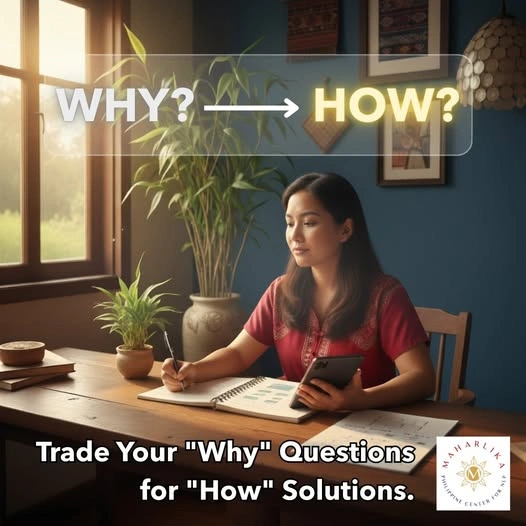
-From "Why" to "How": The NLP Shift That Drives Real Change- Neuro-Linguistic Programming (NLP) emphasizes that asking "How?" is far...
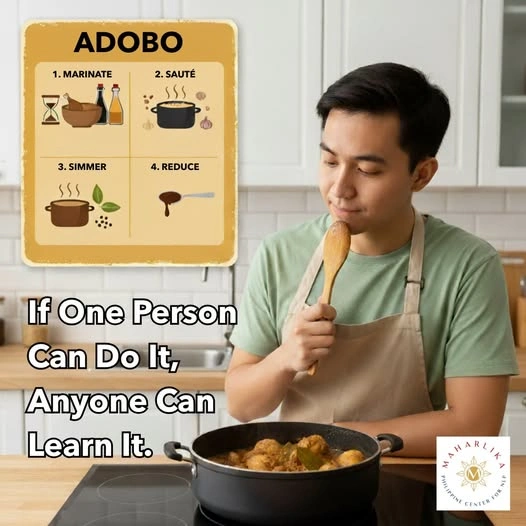
The belief that genius is innate is perhaps the greatest limitation to human potential. Neuro-Linguistic Programming (NLP) shatters this myth...
The Treasure Within Unlocking Your Innate Capacity for Change
Imagine for a moment that you are a master architect, standing before a vast, infinite warehouse. This warehouse contains every tool, every material, every blueprint, and every piece of knowledge you could ever need to build the most magnificent structures imaginable—a life of confidence, resilience, love, creativity, and peace.This is the essence of the NLP presupposition: People already have all the resources they need.What Does “All Resources” Really Mean?
When NLP speaks of “resources,” it doesn’t mean money, a better job, or a different body (though those can be external goals). It refers to our internal states and capabilities.You have been courageous before. You have been focused before. You have been calm, resourceful, and creative in the past. These are not foreign concepts; they are states you have already experienced. The “resource” is the neurological pattern that created that state.The Real Problem: Blocked Access, Not a Lack of Resources
If we truly have all these resources, why do we ever feel stuck, anxious, or incapable? The presupposition provides a crucial reframe: The problem is rarely a lack of resources, but something that impedes access to them.We aren’t broken; we’re just temporarily blocked. The resources are still in the warehouse, but we’ve misplaced the key to the door, or a fallen beam is blocking the path.Living from a Place of Resourcefulness
Adopting this presupposition changes everything. It moves us from a mindset of scarcity—”I lack what I need to succeed”—to one of abundance—”I have everything I need; I just need to learn how to use it.”You are a rich library of experiences, a masterful collection of strengths, and a reservoir of untapped potential. The treasure is already within.
Imagine for a moment that you are a master architect, standing before a vast, infinite warehouse. This warehouse contains every tool, every material, every blueprint, and every piece of knowledge you could ever need to build the most magnificent structures imaginable—a life of confidence, resilience, love, creativity, and peace.
This is the essence of the NLP presupposition: People already have all the resources they need.
What Does “All Resources” Really Mean?
When NLP speaks of “resources,” it doesn’t mean money, a better job, or a different body (though those can be external goals). It refers to our internal states and capabilities.
You have been courageous before. You have been focused before. You have been calm, resourceful, and creative in the past. These are not foreign concepts; they are states you have already experienced. The “resource” is the neurological pattern that created that state.
The Real Problem: Blocked Access, Not a Lack of Resources
If we truly have all these resources, why do we ever feel stuck, anxious, or incapable? The presupposition provides a crucial reframe: The problem is rarely a lack of resources, but something that impedes access to them.
We aren’t broken; we’re just temporarily blocked. The resources are still in the warehouse, but we’ve misplaced the key to the door, or a fallen beam is blocking the path.
Living from a Place of Resourcefulness
Adopting this presupposition changes everything. It moves us from a mindset of scarcity—”I lack what I need to succeed”—to one of abundance—”I have everything I need; I just need to learn how to use it.”
You are a rich library of experiences, a masterful collection of strengths, and a reservoir of untapped potential. The treasure is already within.
LATEST BLOGS
-From "Why" to "How": The NLP Shift That Drives Real Change- Neuro-Linguistic Programming (NLP) emphasizes that asking "How?"

We all know Atticus Finch as the pillar of morality in Harper Lee's To Kill a Mockingbird. We
For a partnership to succeed, the partners need to carefully reevaluate the values and the patterns that they've