

The Architecture of Your Reality How Your Mind Builds Your World
- September 16, 2025
A memory of a joyful celebration, a moment of anxiety before a speech, the thrill of a creative breakthrough—they feel like single, solid entities we simply recall. But what if you could zoom in on these moments?
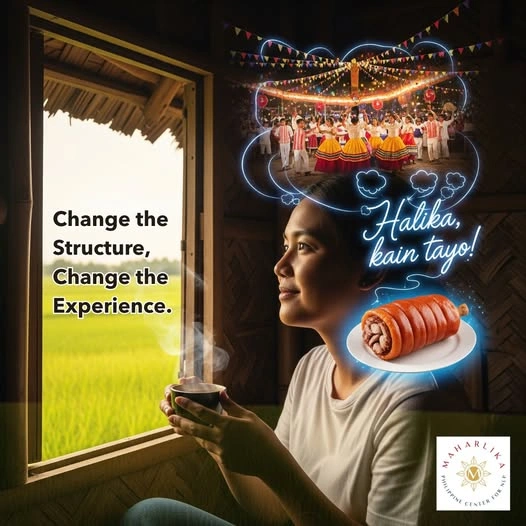
A memory of a joyful celebration, a moment of anxiety before a speech, the thrill of a creative breakthrough—they feel like single, solid entities we simply recall. But what if you could zoom in on these moments? What if you could see the very beams, wires, and components that hold them together?This is the profound insight of the NLP presupposition: Experience has structure.Deconstructing the Building Blocks of Reality
According to NLP, the raw materials of all human experience are the five senses, often referred to as VAKOG:- Visual (what we see)
- Auditory (what we hear)
- Kinesthetic (what we feel, both tactile and emotional)
- Olfactory (what we smell)
- Gustatory (what we taste)
Every experience you have is a unique combination of these sensory impressions. Crucially, these impressions come from two sources:- External: The actual sensory input from the world around you (the room you’re in, the words you’re reading).
- Internal: The representations your mind generates (the memory of a loved one’s face, your critical inner voice, the feeling of excitement about a future event).
The Power to Remodel Your Mind
This is where NLP transitions from an interesting concept to a practical toolkit for change. By learning to identify and alter the submodalities—the fine-grained details of our internal senses—we can change the very impact of our experiences now.There are practical ways to re-calibrate your neurological processes. You are not changing the content of the memory (the fact that it happened), but you are fundamentally changing its structure, and therefore its emotional power over you.Living as the Architect of Your Life
By deconstructing the experience, you gain the power to reconstruct it. You can choose to amplify resources like confidence and calm by enhancing their sensory structure, and you can choose to diminish the impact of limiting states like fear and anxiety by altering theirs.Your reality is a rich, complex, and beautifully structured construction. And with this knowledge, you hold the tools to redesign it.
A memory of a joyful celebration, a moment of anxiety before a speech, the thrill of a creative breakthrough—they feel like single, solid entities we simply recall. But what if you could zoom in on these moments? What if you could see the very beams, wires, and components that hold them together?
This is the profound insight of the NLP presupposition: Experience has structure.
Deconstructing the Building Blocks of Reality
According to NLP, the raw materials of all human experience are the five senses, often referred to as VAKOG:
- Visual (what we see)
- Auditory (what we hear)
- Kinesthetic (what we feel, both tactile and emotional)
- Olfactory (what we smell)
- Gustatory (what we taste)
Every experience you have is a unique combination of these sensory impressions. Crucially, these impressions come from two sources:
- External: The actual sensory input from the world around you (the room you’re in, the words you’re reading).
- Internal: The representations your mind generates (the memory of a loved one’s face, your critical inner voice, the feeling of excitement about a future event).
The Power to Remodel Your Mind
This is where NLP transitions from an interesting concept to a practical toolkit for change. By learning to identify and alter the submodalities—the fine-grained details of our internal senses—we can change the very impact of our experiences now.
There are practical ways to re-calibrate your neurological processes. You are not changing the content of the memory (the fact that it happened), but you are fundamentally changing its structure, and therefore its emotional power over you.
Living as the Architect of Your Life
By deconstructing the experience, you gain the power to reconstruct it. You can choose to amplify resources like confidence and calm by enhancing their sensory structure, and you can choose to diminish the impact of limiting states like fear and anxiety by altering theirs.
Your reality is a rich, complex, and beautifully structured construction. And with this knowledge, you hold the tools to redesign it.
Recent Blogs You Might Like

It happens to everyone. Someone's words or actions land in a way that makes you feel small. Overlooked. Dismissed. Disrespected....

-From "Why" to "How": The NLP Shift That Drives Real Change- Neuro-Linguistic Programming (NLP) emphasizes that asking "How?" is far...

The belief that genius is innate is perhaps the greatest limitation to human potential. Neuro-Linguistic Programming (NLP) shatters this myth...
The Architecture of Your Reality How Your Mind Builds Your World
A memory of a joyful celebration, a moment of anxiety before a speech, the thrill of a creative breakthrough—they feel like single, solid entities we simply recall. But what if you could zoom in on these moments? What if you could see the very beams, wires, and components that hold them together?This is the profound insight of the NLP presupposition: Experience has structure.Deconstructing the Building Blocks of Reality
According to NLP, the raw materials of all human experience are the five senses, often referred to as VAKOG:- Visual (what we see)
- Auditory (what we hear)
- Kinesthetic (what we feel, both tactile and emotional)
- Olfactory (what we smell)
- Gustatory (what we taste)
Every experience you have is a unique combination of these sensory impressions. Crucially, these impressions come from two sources:- External: The actual sensory input from the world around you (the room you’re in, the words you’re reading).
- Internal: The representations your mind generates (the memory of a loved one’s face, your critical inner voice, the feeling of excitement about a future event).
The Power to Remodel Your Mind
This is where NLP transitions from an interesting concept to a practical toolkit for change. By learning to identify and alter the submodalities—the fine-grained details of our internal senses—we can change the very impact of our experiences now.There are practical ways to re-calibrate your neurological processes. You are not changing the content of the memory (the fact that it happened), but you are fundamentally changing its structure, and therefore its emotional power over you.Living as the Architect of Your Life
By deconstructing the experience, you gain the power to reconstruct it. You can choose to amplify resources like confidence and calm by enhancing their sensory structure, and you can choose to diminish the impact of limiting states like fear and anxiety by altering theirs.Your reality is a rich, complex, and beautifully structured construction. And with this knowledge, you hold the tools to redesign it.
A memory of a joyful celebration, a moment of anxiety before a speech, the thrill of a creative breakthrough—they feel like single, solid entities we simply recall. But what if you could zoom in on these moments? What if you could see the very beams, wires, and components that hold them together?
This is the profound insight of the NLP presupposition: Experience has structure.
Deconstructing the Building Blocks of Reality
According to NLP, the raw materials of all human experience are the five senses, often referred to as VAKOG:
- Visual (what we see)
- Auditory (what we hear)
- Kinesthetic (what we feel, both tactile and emotional)
- Olfactory (what we smell)
- Gustatory (what we taste)
Every experience you have is a unique combination of these sensory impressions. Crucially, these impressions come from two sources:
- External: The actual sensory input from the world around you (the room you’re in, the words you’re reading).
- Internal: The representations your mind generates (the memory of a loved one’s face, your critical inner voice, the feeling of excitement about a future event).
The Power to Remodel Your Mind
This is where NLP transitions from an interesting concept to a practical toolkit for change. By learning to identify and alter the submodalities—the fine-grained details of our internal senses—we can change the very impact of our experiences now.
There are practical ways to re-calibrate your neurological processes. You are not changing the content of the memory (the fact that it happened), but you are fundamentally changing its structure, and therefore its emotional power over you.
Living as the Architect of Your Life
By deconstructing the experience, you gain the power to reconstruct it. You can choose to amplify resources like confidence and calm by enhancing their sensory structure, and you can choose to diminish the impact of limiting states like fear and anxiety by altering theirs.
Your reality is a rich, complex, and beautifully structured construction. And with this knowledge, you hold the tools to redesign it.
LATEST BLOGS
-From "Why" to "How": The NLP Shift That Drives Real Change- Neuro-Linguistic Programming (NLP) emphasizes that asking "How?"

We all know Atticus Finch as the pillar of morality in Harper Lee's To Kill a Mockingbird. We
For a partnership to succeed, the partners need to carefully reevaluate the values and the patterns that they've